Tuesday, February 13, 2018

No Elephants, Please!

San Elijo lagoon is a great place to go birding in San Diego.
Northern Pintail
Green-winged Teal
I was thrilled to "capture" a few of these beautiful ducks on my most recent trip!
Not everyone comes here for the birds though. Annie's slot canyon trail is just beyond the lagoon.


Unusual blooming flowers and trees line the paths leading up to the canyon.
It is quite an experience to hike through a canyon which progressively gets narrower.
I was happy not to be carrying the stuff I usually take hiking and birding. I definitely would have had troubles maneuvering if I was loaded down. This is NO place for your pet elephant to visit!!!!
Some of our local friends are hesitant about visiting places like this because of dangerous rocks that could fall. Be Careful!
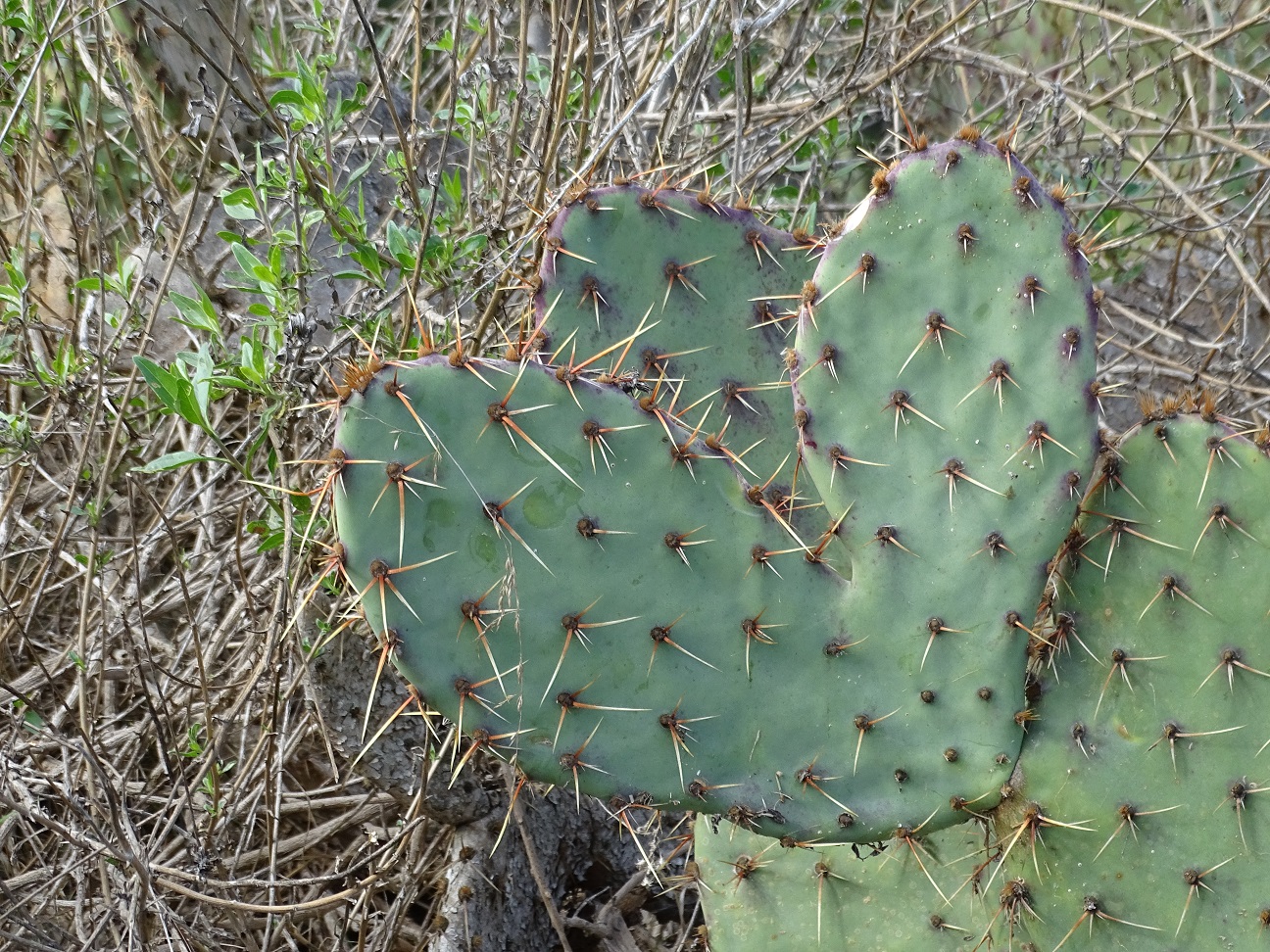
My day ended with this heart shaped cactus. 
Happy Valentine's Day!

Click on photos to enlarge.
Photos and content by Robin Roberts.


Bird of the Week


To me, Sandhill Cranes are magnificent! When I lived on the east coast, I would see these birds only during migration high above our house. We were on the migratory path. I would hear them call and run outside, if I was home, to see hundreds of them fly overhead.
Now, I have discovered a wintering home for these birds in the fields next to the Salton Sea. They are here for a few months in the winter until they depart for their breeding grounds.
This weekend, we saw about 300 of these red-crowned birds foraging in a nearby field. There is always a couple of sentries keeping watch while the others are busily eating. They trust their lookout to alert them to danger.

Click on photos to enlarge.
Photos and content by Robin Roberts


A Day of Winter

What a great sight! We woke up to a thin blanket of snow covering everything!
When the sun is shining bright, it doesn't take long before the snow melts away. I took advantage of the beautiful morning to explore.
Manzanita,  a predominant chaparral bush in our mountains, is becoming one of my favorites. Although its berries are small, it provides food for a variety of animals. The blooms attract resident and migrating hummingbirds in the Spring.
I love the deep red smooth bark that appears after a rainfall.

Just last week, an early blooming Manzanita was full of butterflies - Boisduval's Blue, Bramble Hairstreak and a tiny moth the size of my pink fingernail - Annaphila
This has been our driest Winter since arriving here. Hopefully, Spring will postpone its arrival. We need the snow!

Click on photos to enlarge.
Photos and content by Robin Roberts.


Sunday, February 4, 2018

Plummeting Notes and Fearsome Shrieks

Boulders of varying sizes and shapes are a familiar sight in parts of Southern California. They cover our mountain hillsides and are prominent on our mountain peaks. 
They create canyon walls in the desert below. Although Joshua Tree National Park is known for its namesake trees, the stacks of boulders are just as famous especially among the rock climbers.
So you are probably wondering what do stacks of boulders and rock piles have to do with plummeting notes?
 The Canyon Wren, of course!The cute little birds with slightly down curved beaks and flattened heads live among the boulders in remote places - high in the rocky mountains and deep in the desert. The plummeting notes of their musical song are quite memorable once you hear them.

This Summer, I saw these tough little birds while serving in the Fire Lookout tower on Tahquitz Peak at 8,846 feet.
We have also seen them in Joshua Tree and the remote Smuggler's Canyon in Anza-Borrego desert.
Normally, the only way I've been able to see this grand little bird that makes its nest in crevices and feasts on spiders and insects is to take a trek up the mountain or down to the desert. It is not a familiar sight at backyard feeders. It doesn't go to bird feeders and it is theorized that it doesn't need to drink water. It probably gets most of its hydration from the insects it devours. It is one of the least studied birds because of where it lives.

This week, we were awoken before sunrise each morning with a cascade of musical notes outside our window. Fantastic! It got me out of bed each time I heard it! Our yard is full of small boulders. Enough of them exist so that we have a warning sign outside of our house.
I was totally surprised when a Canyon Wren flew right through the gap under the shingles of the porch roof. I guess it looked like a familiar place to find food. Very smart bird, indeed! We have plenty of spiders on that little porch for the wren to devour. Please eat up! (Listen carefully and you will hear the Canyon Wren.)
This past week, the days have also been filled with fearsome shrieks. Circling overhead, the hawk with translucent wing patches and a striped tail has been attracting a lot of unwanted attention from a flock of six Common Ravens.
Today was different. Our lone Red-shouldered Hawk was joined by another. After a brief romantic interlude on the snag behind our house, they returned to the skies with the Ravens in close pursuit. They are doing their best to scare them off. Perhaps, they will ignore the Ravens and nest nearby.
An adventure is probably occurring in your backyard today. You just need to open your eyes and ears and discover it! Enjoy!

Click on photos to enlarge.
Photos and content by Robin Roberts.


Sunday, January 28, 2018

The Salton Sea - A Magnificent Place!

The Salton Sea is a magnificent place! The 35 mile long desert sea is a refuge for approximately 400 species of birds. Thousands and thousands of birds spend the winter months here.
During its heyday, it was a hot spot for entertainers such at the "Rat Pack" and people filled the lake with fishing and boating. Now, however, it is a place in danger of disappearing.
Black-necked Stilts


When we first moved to Idyllwild, there were many local people who did not know of its importance to migrating and wintering birds. Fortunately, we visited this place with a local birding group in our first year and discovered for ourselves a wonderful bird sanctuary north of the Mexican border.
Green Heron


Red-breasted Mergansers
Sage Thrasher
When you are able to see a bird in its summer breeding home and then see it again in its winter residence, you really appreciate what these birds need to do to survive. This photo is of a Sage Thrasher that we saw north of where we live in the Eastern Sierra mountains near Independence this past summer.
Sage Thrasher
Last week, we visited the Salton Sea and saw a handful of Sage Thrashers. This one was found in a palm tree. The connection of summer and winter homes is dramatic when you see the same species of birds in two totally different homes. Saving both habitats IS important!


 Imagine seeing thousands of birds flying overhead or in a nearby field or hundreds foraging in a field. (BTW, I know I need to work on my movie skills! ha)
If you want to see experience this special place, you need to go now. Every year, the water level will be lessening due to water diversion to other cities including San Diego.
Burrowing Owls
Not all birds will be impacted, but no species is greater than another. Just like humans, we should all be valued equally. We need a miraculous event to turn things around. Projects for saving as much habitat as possible are being discussed/planned but unless something BIG happens, the Salton Sea will start shrinking dramatically this year.

In the short time that we have lived here, we have fallen in love with this special place! Let's do what what we can individually and collectively to minimize the loss for wildlife and ourselves where ever we live. Many of our "patches" in the world are struggling.

Click on photos to enlarge.
Photos and content by Robin Roberts.


Monday, January 15, 2018

Under the Mistletoe

Most people know about the tradition of sneaking a kiss under the mistletoe at Christmas but how many people know that the poisonous mistletoe berries are quite delicious to a number of birds?
Upon arriving here in the west, I learned that Phainopeplas and Northern Mockingbirds were a few of the birds that love these noxious berries. 

It wasn't until this year that I observed that Western Bluebirds LOVE these berries!
In fact, I found a spot near one of our local trailheads where at least 50 Western Bluebirds and a handful of Phainopeplas are spending their winter thanks to these yummy white berries.
This past week, we had rain in Idyllwild and our first snow in the high country since last year. The same storm that brought devastation and despair to our northern neighbors was a welcome event for us. It's hard to rejoice when we know others are heartbroken and grieving.
Little things bring me hope like this little puffball. I couldn't help but laugh and smile at this Dark-eyed Junco taking a long overdue bath in melted snow.

A new year has begun. I wish you all the best!

"You are never too old to set another goal or dream a new dream."
C.S. Lewis

Click on photos to enlarge.
Photos and content by Robin Roberts.