Thursday, November 12, 2020

A Surprise Visitor with a Bushy Tail


When I looked out to the backyard today to see what birds were at the feeders, I found empty feeders and one mighty fine looking grey fox (Urocyon cinereoargenteus).

What a great surprise! These nocturnal/crepuscular critters are not seen very often during the day!


I did a little research and discovered that they are unique in North American canids (canine family) for being able to climb trees! It comes in handy when escaping danger or looking for food. As for meals, they are omnivores. They will happily devour a little rodent, rabbit, bird as well as vegetarian fare such as berries and acorns. 

Keep your eyes open! You never know what special creature you may encounter! Cheers to wildlife!


Click on photos to enlarge.

Photos and content by Robin Roberts.

More information on Grey Fox 

Monday, November 9, 2020

The Mountains are Revealed


It is morning and the fog has lifted revealing the beautiful snow-covered mountains. I never grow tired of seeing what the white storm has left behind! Marion Mountain and Tahquitz Peak are covered in over a foot of snow.


It's always a relief to see the tough birds that survive living through these wintry days! Both of these birds choose to stay in the mountains year-round. The clever California Scrub-Jay and the tireless Mountain Chickadee are constantly foraging and stashing away seeds or nuts for days like this.


High on Tahquitz Peak at 8,846 feet, the fire lookout tower is now officially closed for the season.
Here is a last view of the rock before the sun disappeared from sight. This winter storm was quite unexpected so early in the season but it certainly was a welcome event!

                              Photos and content by Robin Roberts.
                                    Click on photos to enlarge


Sunday, November 8, 2020

Hunkered Down


This was a weekend to hunker down while the fog-shrouded mountains kept hidden the snowy scenes of this unexpected snowstorm. Just like anywhere you live, when you know a storm is coming, it's best to keep busy days in advance so you can just enjoy the coziness of your home when the weather changes.
I totally was expecting my next blog post to be about the fall weather but we all were in for a surprise when this snow event arrived on Saturday.


What better way to start the morning than watch Donald Duck and his encounters with Chip and Dale. This episode is all about popcorn thieves. 


Of course, I couldn't linger inside watching Donald and the gang for long knowing that our avian friends outside had inches of snow covering their feeders. 
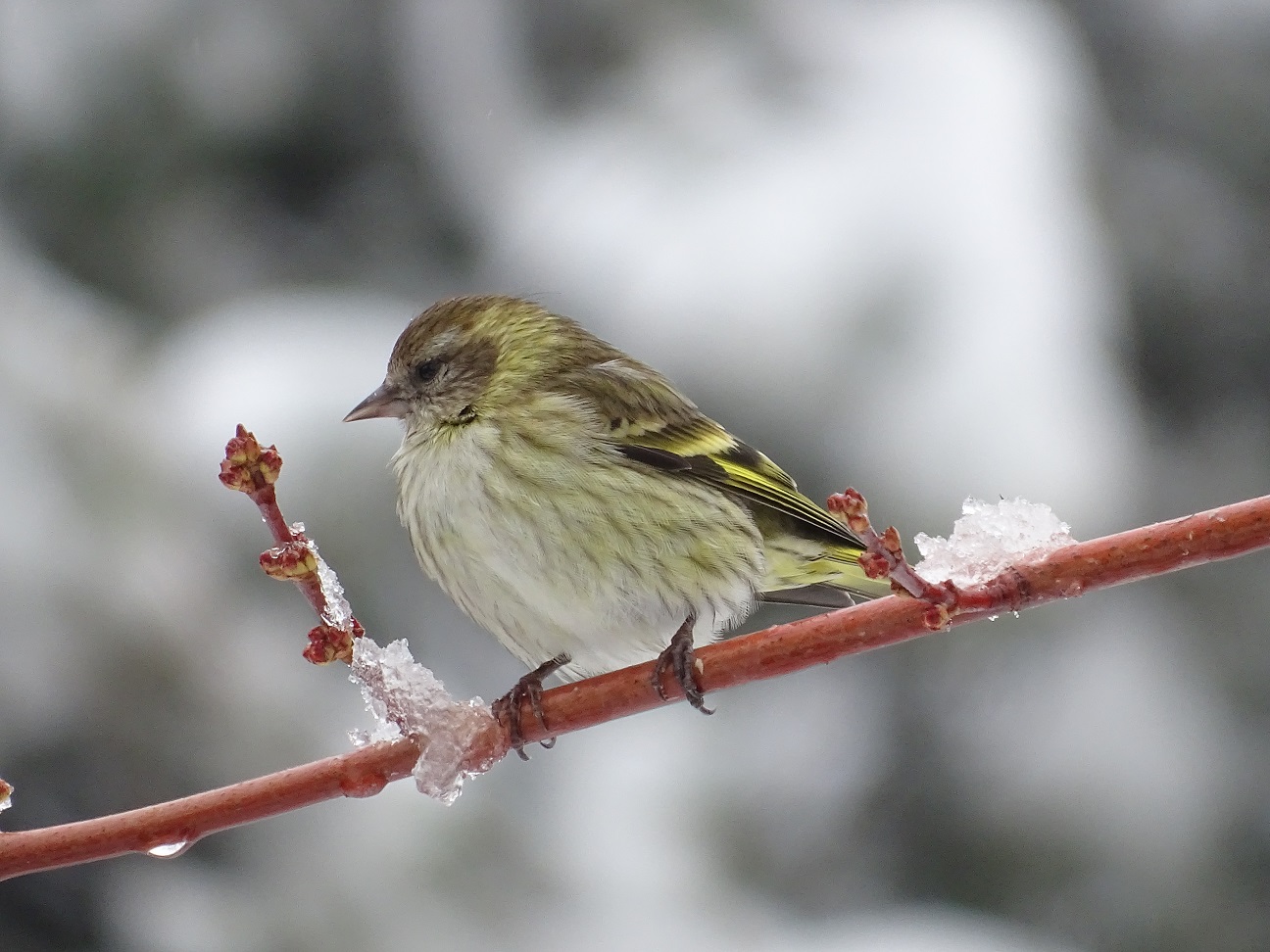
Pine Siskin
The most abundant bird species in our yard is the Pine Siskin. Since the snow arrived, we have about 40-50 of these beauties devouring the thistle.
Golden-crowned Sparrow
Every year in the winter, a golden-crowned sparrow or two finds our backyard once again. They spend their summers in Alaska or Canada. 

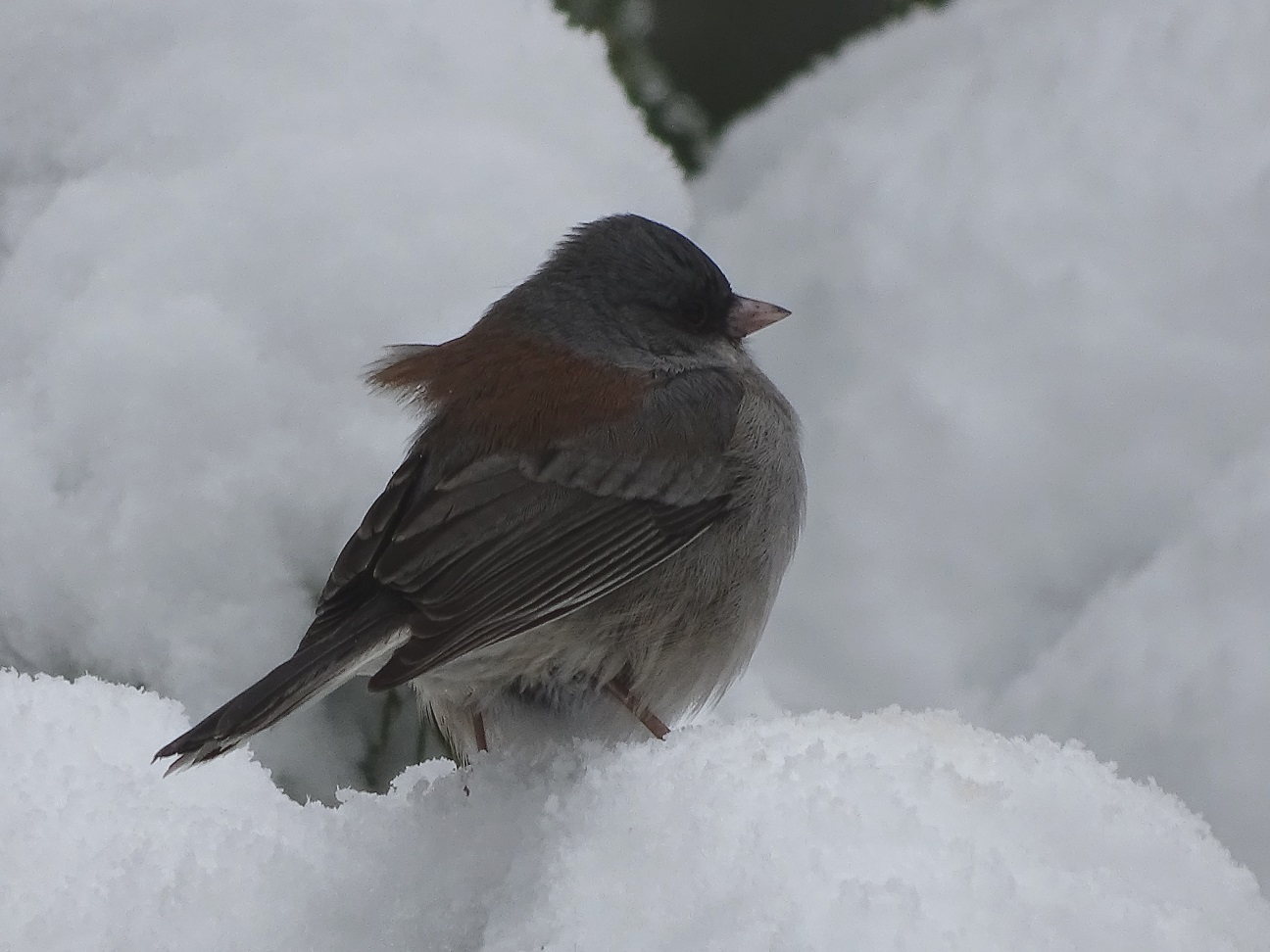
Gray-headed Junco 
This subspecies of Dark-eyed juncos is a rare bird for our area. They are more likely to be seen in Nevada, Utah, or Colorado in the summer and Arizona, New Mexico, or Mexico in the winter. Most of the juncos in our mountains are Oregon juncos but occasionally, some others show up in the winter. Like the golden-crowned sparrow, it is here on its own in a mixed flock. 
Night has taken over. Tomorrow, the skies will clear and the snow will end. It's always exciting to wake up and see the transformation that the snowy weather creates. Until tomorrow...... 


Sunday, October 11, 2020

Retreat in San Diego


The lure of water is powerful! We haven't had any rain in the mountains since May or June and it is now October. Luckily for us, San Diego is only two hours away. We headed there for a short but much-needed respite from the dry San Jacinto Mountains.


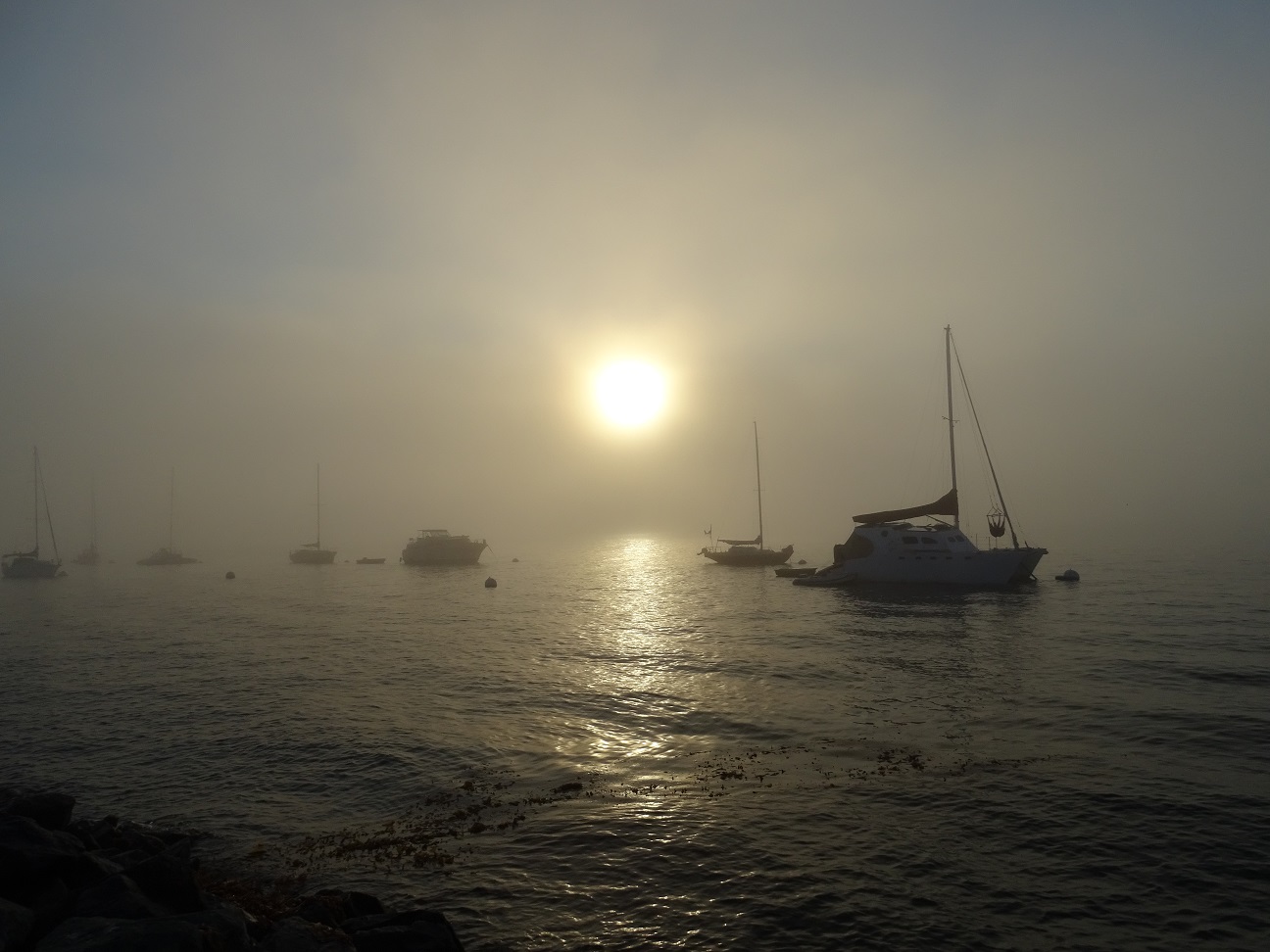
Early mornings in San Diego are characterized by a rolling fog or marine layer that adds moisture to the coastal chaparral and exotic tropical plants that fill the landscape.


This ghostly "pirate" sailship kept appearing and disappearing in the morning fog while we went for a morning bike ride along the "strand". The Great Blue Heron ignored us mostly while it was intent on spearing a fish for breakfast.


Sometimes you visit a place that transports you to somewhere exotic. That is what happened for us at this little hotel on Shelter Island. It was just what we needed for our San Diego retreat.


Isn't it amazing how peaceful and powerful water can be?

I rarely see marine animals so this was a highlight of our trip! A sea lion fishing off the shoreline.


I hope you are finding ways to cope during these upside-down days in our world! My recommendation is to spend time in nature as much as possible!

                           Click on photos to enlarge. Photos and content by Robin Roberts.


Monday, September 7, 2020

Disappearing Mountains


So, where did our mountains go? They are hidden behind a cloud of smoke caused by the El Dorado fire. Prospective parents, please don't use pyrotechnic devices to announce the gender of your baby!!! It's not worth it! Stick with a cake filled with blue or pink M & M's or whatever clever idea you can come up with! Your child will not want to grow up feeling responsible for a multi-thousand-acre wildfire!

White-headed Woodpecker (Picoides albolarvatus)

How do I cope with the ongoing stress of threatening wildfires? I spend time outdoors watching birds. Trust me, it helps tremendously! Whether it's birds, insects, lizards, or little rodents, go outside for a bit and observe the wildlife in your yard. There are lots of studies that support what I experience. Spending time outdoors helps physically, mentally, and spiritually. (The smoky skies are going to make it hard for us to get out right now.)


Lesser Goldfinch (Spinus psaltria)

You can actually do something helpful while you are observing the birds. Smaller birds like these Lesser Goldfinches are primarily seedeaters which means they rely on supplemental water and places of refuge from the heat during times of drought and extreme heat to survive. Consider putting out a water dish.

Anna's Hummingbird (Calypte anna)

Hummingbirds are on the move. Besides your regular resident Anna's Hummingbirds, look for the migrating hummers that are looking for some nectar from your garden plants or a feeder to help fatten them up on their journey.


Black-chinned Hummingbird (Archilochus alexandri)

The arrival of the Black-chinned hummingbirds and other dislocated Anna's Hummingbirds have put our resident hummer in a tizzy.


I guarantee if you spend at least 20-30 minutes outdoors in the morning observing the activity in your back or front yard, you will experience a drop in your stress level.(However, it might be too difficult with the worsening air quality right now.) When you add doing something concrete like putting out a water dish or hummingbird feeder, it will magnify. 

Our wilderness will be closed to hikers and campers for at least the next week to prevent another disastrous wildfire.  Keep safe everyone!

Click on photos to enlarge.
Photos and content by Robin Roberts.


Friday, August 14, 2020

Views from the Peak

Tahquitz Fire Lookout Tower

Back in the tower for a weekend of diligently looking for smoke or lightning strikes.
Although the volunteers are still focused on keeping their eyes focused on the wilderness, we are no longer able to give "tours" of this historic tower due to the pandemic.


However, you can still get your well-earned squirrel card for hiking 4 plus miles to Tahquitz Peak at 8,846 feet as long as you are willing to take the pledge of protecting our forest.


One change, you get your card by way of a fishing rod. Clever, eh?


Here is a view of our "home" away from home. The stove is a remnant from the past when the tower was occupied by paid staff. There has been a tower based on this site for over 100 years. When the ranger station reopens, you can purchase one of our local landmark mugs. The profit helps in purchasing extra supplies that we need like paint.


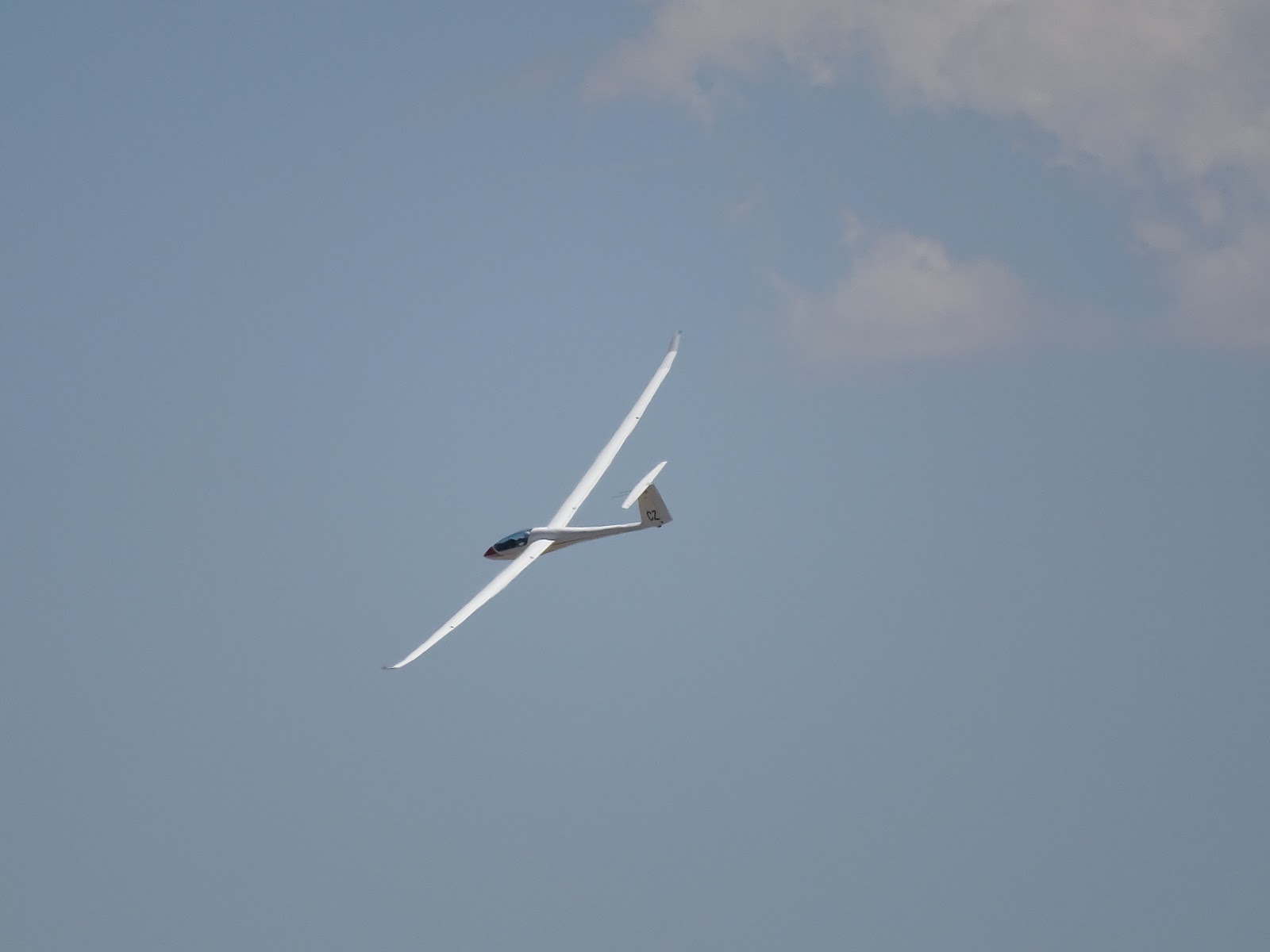
Red-tailed hawks, Cooper's Hawks, White-throated Swifts and Ravens are common birds seen soaring over the tower this time of year. Occasionally, we get lucky and see a Golden Eagle. Gliders have joined the feathered thermal riders.


 There are still beautiful majestic sites and towering trees to hike under in the forest on the way to the peak.

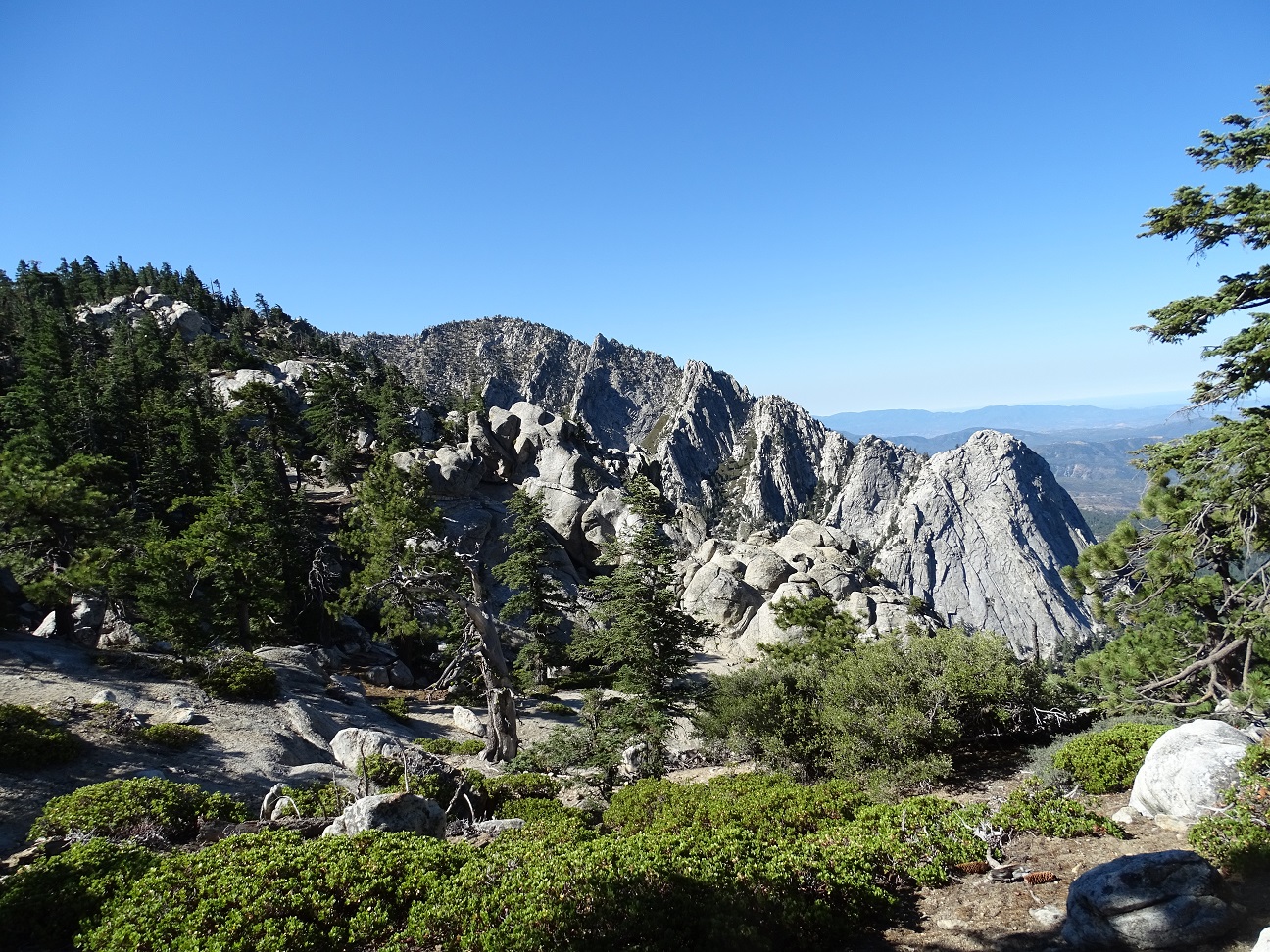
However, on the south and east-facing sides of the tower, one is quickly reminded of the destructive 2018 Cranston fire. The recovery of a forest from a severe widespread fire is extremely slow.


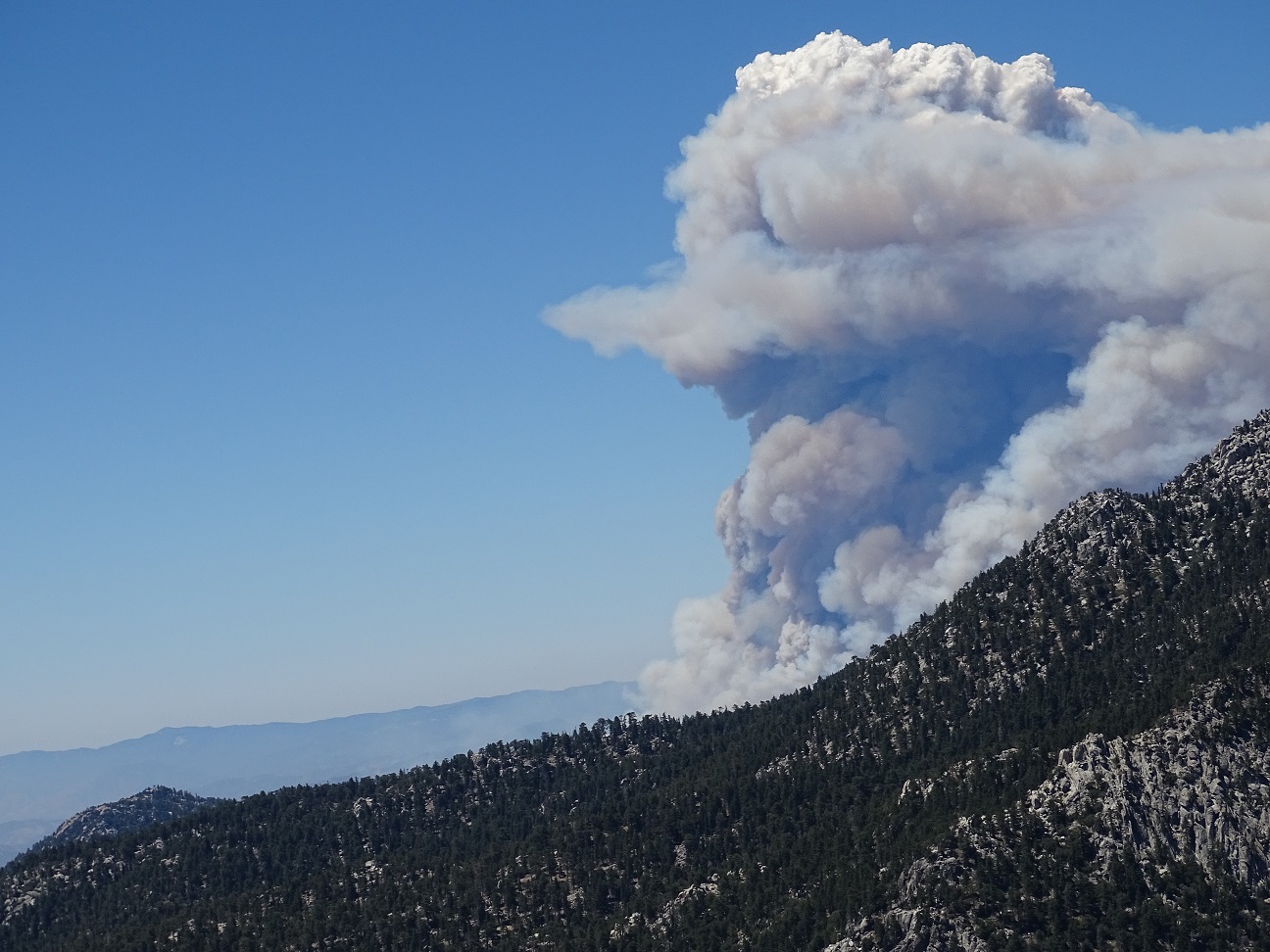
This is a scene none of us want to view! This is the smoke cloud from the Apple Fire on August 1st, one day after it started. The volunteers at Black Mountain Lookout tower, located to the left of the cloud on the small peak, were the first to detect this fire when it was only a few acres. Now, almost two weeks later, it has consumed 34,400 acres in the San Gorgonio Wilderness. If you or anyone you know is going camping in our wilderness, remind them campfires are not allowed to protect what remains.


I have this note posted on my refrigerator in gratitude for Richard, a complete stranger. On the way down from the tower, I injured my knee and could barely walk. This "trail angel" offered to carry my heavy pack 2 1/2 miles to the trailhead. Many, many thanks!

Not sure when I will be able to return to the tower but I am extremely motivated!

"The fact that we are alive is truly a miracle. We could say there is nothing special about it,
but when we are deeply aware of being alive in this moment, we see how wonderful it is."

Thich Nhat Hanh

Photos and content by Robin Roberts.
Click on photos to enlarge.