Monday, September 7, 2020

Disappearing Mountains


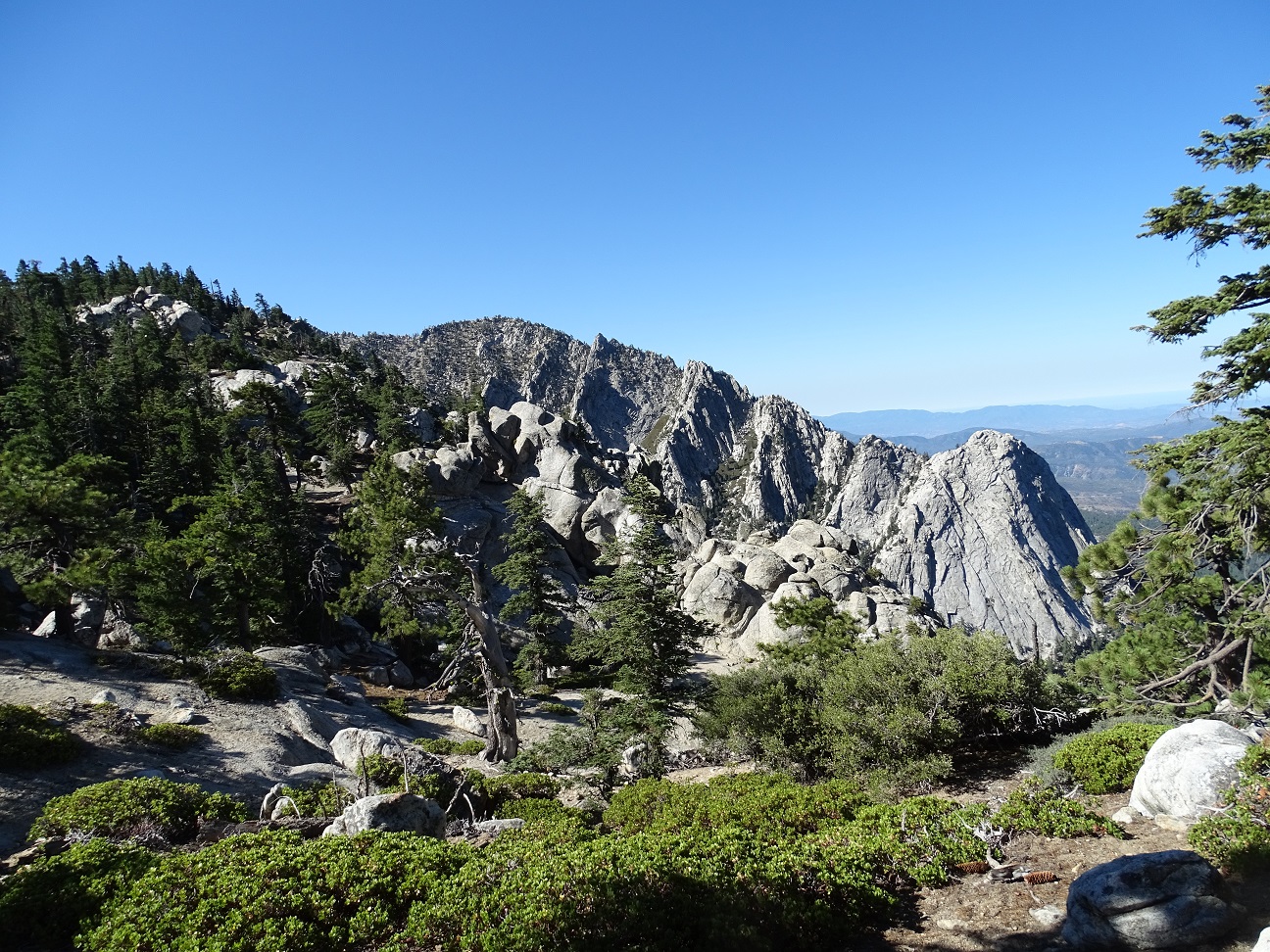
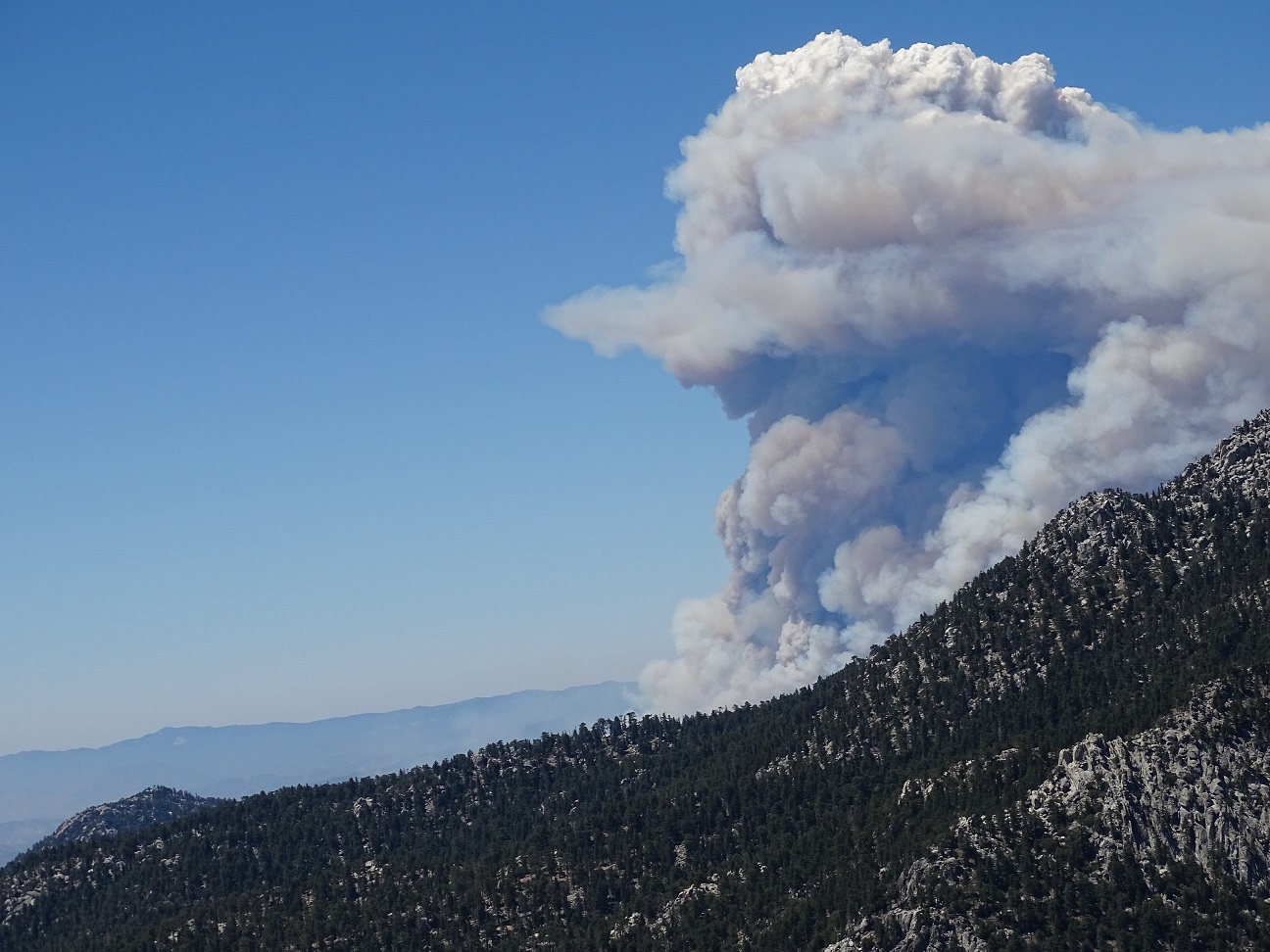
So, where did our mountains go? They are hidden behind a cloud of smoke caused by the El Dorado fire. Prospective parents, please don't use pyrotechnic devices to announce the gender of your baby!!! It's not worth it! Stick with a cake filled with blue or pink M & M's or whatever clever idea you can come up with! Your child will not want to grow up feeling responsible for a multi-thousand-acre wildfire!

White-headed Woodpecker (Picoides albolarvatus)

How do I cope with the ongoing stress of threatening wildfires? I spend time outdoors watching birds. Trust me, it helps tremendously! Whether it's birds, insects, lizards, or little rodents, go outside for a bit and observe the wildlife in your yard. There are lots of studies that support what I experience. Spending time outdoors helps physically, mentally, and spiritually. (The smoky skies are going to make it hard for us to get out right now.)


Lesser Goldfinch (Spinus psaltria)

You can actually do something helpful while you are observing the birds. Smaller birds like these Lesser Goldfinches are primarily seedeaters which means they rely on supplemental water and places of refuge from the heat during times of drought and extreme heat to survive. Consider putting out a water dish.

Anna's Hummingbird (Calypte anna)

Hummingbirds are on the move. Besides your regular resident Anna's Hummingbirds, look for the migrating hummers that are looking for some nectar from your garden plants or a feeder to help fatten them up on their journey.


Black-chinned Hummingbird (Archilochus alexandri)

The arrival of the Black-chinned hummingbirds and other dislocated Anna's Hummingbirds have put our resident hummer in a tizzy.


I guarantee if you spend at least 20-30 minutes outdoors in the morning observing the activity in your back or front yard, you will experience a drop in your stress level.(However, it might be too difficult with the worsening air quality right now.) When you add doing something concrete like putting out a water dish or hummingbird feeder, it will magnify. 

Our wilderness will be closed to hikers and campers for at least the next week to prevent another disastrous wildfire.  Keep safe everyone!

Click on photos to enlarge.
Photos and content by Robin Roberts.


Friday, August 14, 2020

Views from the Peak

Tahquitz Fire Lookout Tower

Back in the tower for a weekend of diligently looking for smoke or lightning strikes.
Although the volunteers are still focused on keeping their eyes focused on the wilderness, we are no longer able to give "tours" of this historic tower due to the pandemic.


However, you can still get your well-earned squirrel card for hiking 4 plus miles to Tahquitz Peak at 8,846 feet as long as you are willing to take the pledge of protecting our forest.


One change, you get your card by way of a fishing rod. Clever, eh?


Here is a view of our "home" away from home. The stove is a remnant from the past when the tower was occupied by paid staff. There has been a tower based on this site for over 100 years. When the ranger station reopens, you can purchase one of our local landmark mugs. The profit helps in purchasing extra supplies that we need like paint.


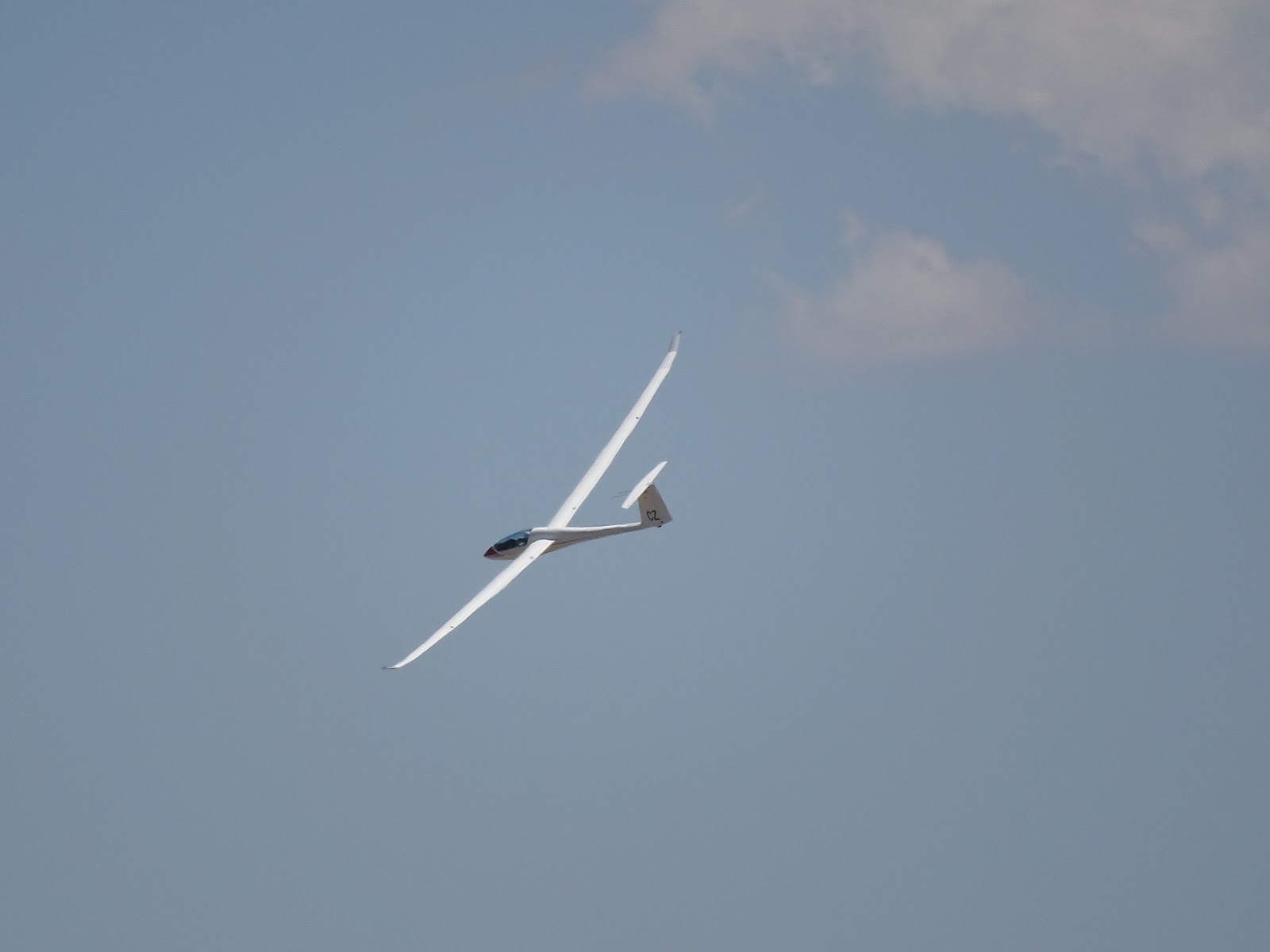
Red-tailed hawks, Cooper's Hawks, White-throated Swifts and Ravens are common birds seen soaring over the tower this time of year. Occasionally, we get lucky and see a Golden Eagle. Gliders have joined the feathered thermal riders.


 There are still beautiful majestic sites and towering trees to hike under in the forest on the way to the peak.

However, on the south and east-facing sides of the tower, one is quickly reminded of the destructive 2018 Cranston fire. The recovery of a forest from a severe widespread fire is extremely slow.


This is a scene none of us want to view! This is the smoke cloud from the Apple Fire on August 1st, one day after it started. The volunteers at Black Mountain Lookout tower, located to the left of the cloud on the small peak, were the first to detect this fire when it was only a few acres. Now, almost two weeks later, it has consumed 34,400 acres in the San Gorgonio Wilderness. If you or anyone you know is going camping in our wilderness, remind them campfires are not allowed to protect what remains.


I have this note posted on my refrigerator in gratitude for Richard, a complete stranger. On the way down from the tower, I injured my knee and could barely walk. This "trail angel" offered to carry my heavy pack 2 1/2 miles to the trailhead. Many, many thanks!

Not sure when I will be able to return to the tower but I am extremely motivated!

"The fact that we are alive is truly a miracle. We could say there is nothing special about it,
but when we are deeply aware of being alive in this moment, we see how wonderful it is."

Thich Nhat Hanh

Photos and content by Robin Roberts.
Click on photos to enlarge.


Monday, June 29, 2020

Turtle Treks to Tahquitz

PCT backpackers have a tradition of getting a trail name when they spend time getting into the groove of hiking on the 2,650 mile trail from Mexico to Canada. A portion of this trail goes right through the San Jacinto Mountains. 

Suicide Rock
I dubbed myself "Turtle" during my weekend hike to the tower. You can imagine why I gave myself that name. Although I hope I will get a new name by the end of the summer, there are advantages of going slow...you notice everything.
Two months ago when I hiked on Devil's Slide, it was full of ephemeral waterfalls. I counted seven of them. With the snow completely melted, we have returned to the dry summer season. (Click on photo for video.)
Definitely, a sharp contrast between then and now. With this in mind, my mission was to deliver a jug of water to the tower before our 4th of July lookout duty. This influenced my chosen trail name.

So what else did I notice? The views are just as beautiful now as they were then.

Columbine


A variety of wildflowers like Scarlet Bugler, Grinnell's Beardtongue, Paintbrush, and Columbine dot the trail but the most amazing discovery is the Western Azaleas that are covering one of the hillsides. First, you notice the strong fragrance and then, you see the beautiful white flowers.


Being the bird nerd that I am, I always have binoculars but on this day, my binocular case was empty. Alas, I was determined to get on the trail by 6:30am so I had to hike without binoculars. However, luck was on my side with a couple of birds. I heard a boldly singing Fox Sparrow but I couldn't get a decent photo of the male but this female with a beak full of insects showed up for me briefly at the Saddle.
Further down the trail, I discovered another singing male Fox Sparrow right in front of me. Wow! They were the brightest singers on this hike. Definitely, pay attention when you hike the trail this summer and look at the birds that are singing. 

It is amazing how small inspiring "boosts" from nature can propel you on. I made it to the peak and delivered the water.

I took a different route on the way down the mountain through one of our few meadows.
Taking time out to be reflective and observant in nature is a gift to us all. 
(Click on photo for video. If you listen with headphones or turn up the volume, you can hear the singing Robin and the gentle creek.)


Waking up this morning,
I smile.
Twenty-four brand-new hours
are before me.
I vow to live fully
in each moment
and to look at all beings 
with eyes of compassion.

Thich Nhat Hahn


When you visit our wilderness, please be respectful of this beautiful spot. No campfires and no fireworks in our wilderness! One thoughtless act could devastate what remains.


Click on photos to enlarge.
Content and photos by Robin Roberts.


Sunday, June 21, 2020

Welcoming Summer - Happy Midsummer's Day

From our patch in the San Jacinto Mountains to our friends in Sweden, Happy Midsummer's Day!
Pale Swallowtail
Mylitta Crescent 
 Purple Nightshade
 Juba Skippers
Anna's Hummingbird at Showy Penstemon

We know you celebrate this special weekend with gusto! This year is different for us all. In the near future, we hope to return and share lots of new memories including a game of kubba! Cheers!

Click on photos to enlarge.
Photos by Robin Roberts.

Thursday, June 11, 2020

Dazzlers of Madera Canyon


 The San Jacinto Mountains have quite a few spectacular birds breeding in the summertime but I must admit, Madera Canyon has some outstanding gems worth searching out.


This road trip to Arizona is our first adventure since the pandemic struck. It may even be our only one for awhile. We came prepared with masks and sanitizers. Plus, we chose to spend our mini-vacation in the wilderness searching for birds far away from crowds. We all need some peaceful, restorative time in nature during these tumultuous days.
Elegant Trogon (Trogan elegans)
We have been to Madera Canyon, AZ only one other time. The number one bird I wanted to see then and now was the Elegant Trogon. What a beauty! It announces its presence with a "barking call". Once you hear it, you won't forget it.
Broad-billed Hummingbird (Cynathus latirostris)

Hummingbirds in the southwest, especially southeast Arizona, are spectacular. How often do you see blue and green brilliantly shining from a bird?
Berylline Hummingbird (Amazilia beryllina)

While we were here, we added this rare migrant from Mexico onto our new bird list. It is amazing to see birders that travel from afar when a rare bird is discovered. Luckily for us, we found it before a crowd showed up. Remember, we were trying to practice social distancing which is hard when unusual birds arrive.


Hummingbird feeders aren't only popular with the hummingbirds...a resident coati makes his daily visit as the sun is setting.


The biggest surprise was to discover that there are nectar drinking bats that love these feeders! I do not know my bats so if you can help me with identification I appreciate your input. From my research, I did learn that there are 2 nectar-feeding bats in Arizona - Mexican long-tongued bat and Lesser long-nosed bat. They both play a critical role in pollinating columnar cacti like the saguaro and organ pipe cactus as well as agave. They follow a nectar corridor of blossoming cacti north from Mexico into Arizona each spring. I have provided some links below to learn more about these fascinating mammals.

Elf Owl (Micrathene whitneyi)
I had one chance at "capturing" the smallest owl in the world, the Elf Owl. From head to tail, they are less than six inches long which is about the same length as a chickadee. They have a much longer wingspan but still, that is a mighty small owl. We saw this one consume an insect and pass one onto its mate in a nest cavity. Lucky us!
Painted Redstart (Myioborus pictus)

The beauty and wonder of nature can connect us all but we all need opportunities to experience it.

Hepatic Tanager (Piranga flava)

 During these difficult days, we need to find more ways to connect us than to separate us. We all have our unique roles to play in that effort. For me, it is sharing the majesty of nature with others. Feel free to share this website with someone else. I look forward to hearing from you!


Photos and content by Robin Roberts
Click to enlarge.

http://www.batcon.org/
https://www.nwf.org/en/Magazines/National-Wildlife/2001/Journey-of-the-Nectar-Bats
Henry, S. G., F. R. Gehlbach, D. Molfetto, and P. Howard (2020). Elf Owl (Micrathene whitneyi), version 1.0. In Birds of the World (S. M. Billerman, Editor). Cornell Lab of Ornithology, Ithaca, NY, USA. https://doi.org/10.2173/bow.elfowl.01